
Introduction
Aggregate is one of the most important construction materials used in civil engineering. It is widely used in concrete, road construction, railway ballast, drainage systems, and many other construction works.
In simple words, aggregates are small stone-like materials mixed with cement and sand to make concrete stronger and more durable.
Aggregates occupy about 70–80% volume of concrete, which makes them an essential part of construction.
What is Aggregate?
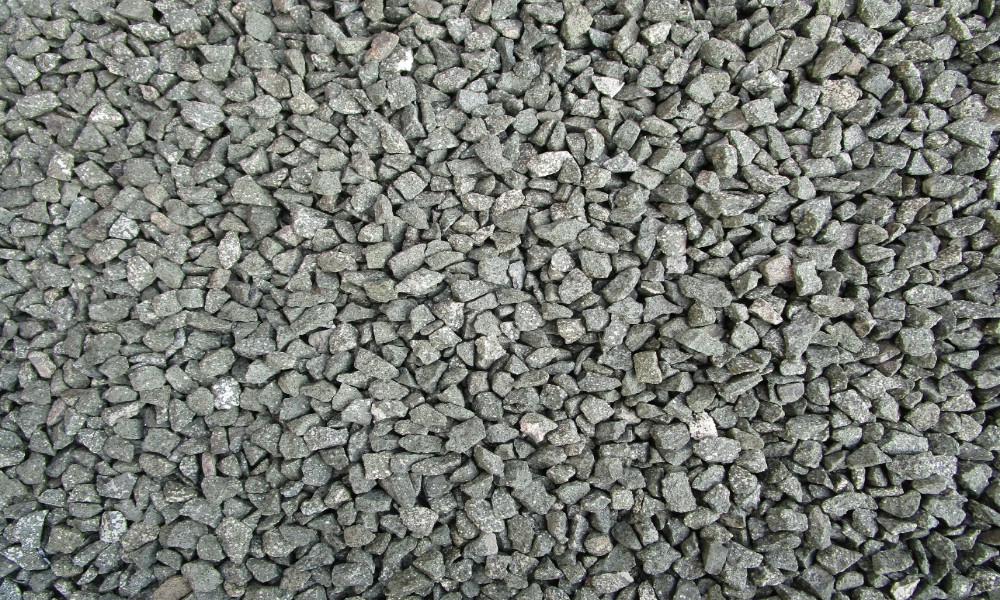
Aggregate is a granular material such as crushed stone, gravel, sand, or recycled concrete used in construction work.
It helps in:
- Increasing the strength of concrete
- Reducing shrinkage
- Improving durability
- Providing stability to structures
Aggregates are generally obtained from natural rocks, river beds, and crushed stones.
Types of Aggregate
Aggregates are mainly classified into two types based on size:
1. Fine Aggregate
Fine aggregate consists of small particles passing through a 4.75 mm sieve.
Examples:
- Natural sand
- Manufactured sand (M-sand)
Uses:
- Plastering work
- Mortar preparation
- Concrete mix
2. Coarse Aggregate
Coarse aggregate consists of larger particles retained on a 4.75 mm sieve.
Examples:
- Crushed stone
- Gravel
Uses:
- RCC work
- PCC work
- Road construction
Classification of Aggregate
Based on Source
Natural Aggregate
Obtained naturally from rivers and quarries.
Examples:
- Sand
- Gravel
Artificial Aggregate
Manufactured by crushing rocks or industrial processes.
Examples:
- Broken bricks
- Blast furnace slag
Based on Shape
Rounded Aggregate
Smooth and rounded particles mostly found in river beds.
Angular Aggregate
Irregular shaped aggregates obtained by crushing rocks.
Flaky Aggregate
Thin and flat aggregates.
Elongated Aggregate
Longer aggregates compared to normal size.
Properties of Good Aggregate
A good aggregate should have the following properties:
- High strength
- Durability
- Hardness
- Proper shape and size
- Low water absorption
- Clean and free from impurities
Uses of Aggregate
Aggregates are used in many civil engineering works such as:
- Concrete production
- Road construction
- Railway ballast
- Drainage systems
- Foundation work
- Pavement construction
Advantages of Aggregate
- Increases concrete strength
- Reduces construction cost
- Improves durability
- Provides volume and stability
- Easily available material
Disadvantages of Aggregate
- Poor quality aggregate reduces concrete strength
- Impurities may affect durability
- Flaky aggregates can weaken structures
Importance of Aggregate in Concrete
Aggregate plays a major role in concrete because it forms the bulk of the concrete mixture. Proper selection of aggregate improves:
- Strength
- Workability
- Durability
- Economy of concrete
Without aggregate, concrete cannot achieve proper stability and load-carrying capacity.
Aggregate क्या है? प्रकार, वर्गीकरण और उपयोग
परिचय
Aggregate सिविल इंजीनियरिंग में उपयोग होने वाली एक महत्वपूर्ण निर्माण सामग्री है। इसका उपयोग concrete, सड़क निर्माण, रेलवे बैलेस्ट, drainage system तथा कई निर्माण कार्यों में किया जाता है।
सरल भाषा में, aggregate छोटे पत्थर जैसे पदार्थ होते हैं जिन्हें cement और sand के साथ मिलाकर concrete बनाया जाता है।
Concrete के कुल volume का लगभग 70–80% हिस्सा aggregate होता है।
Aggregate क्या है?
Aggregate एक granular material है जैसे:
- crushed stone
- gravel
- sand
जिसका उपयोग construction work में किया जाता है।
यह concrete की strength और durability बढ़ाने में मदद करता है।
Aggregate के प्रकार
1. Fine Aggregate
Fine aggregate छोटे particles होते हैं जो 4.75 mm sieve से pass हो जाते हैं।
उदाहरण:
- Sand
- M-sand
उपयोग:
- Plastering
- Mortar
- Concrete mix
2. Coarse Aggregate
Coarse aggregate बड़े particles होते हैं जो 4.75 mm sieve पर रुक जाते हैं।
उदाहरण:
- Gravel
- Crushed stone
उपयोग:
- RCC work
- PCC work
- Road construction
Aggregate का Classification
Source के आधार पर
Natural Aggregate
प्राकृतिक रूप से प्राप्त aggregate।
उदाहरण:
- Sand
- Gravel
Artificial Aggregate
Manufacturing process द्वारा तैयार aggregate।
उदाहरण:
- Broken bricks
- Slag
Shape के आधार पर
Rounded Aggregate
गोल और smooth aggregate।
Angular Aggregate
कोनों वाले crushed aggregate।
Flaky Aggregate
पतले और flat aggregate।
Elongated Aggregate
लंबे आकार वाले aggregate।
अच्छे Aggregate के गुण
एक अच्छे aggregate में निम्न गुण होने चाहिए:
- अधिक strength
- Durability
- Hardness
- कम water absorption
- उचित shape और size
Aggregate के उपयोग
Aggregate का उपयोग निम्न कार्यों में किया जाता है:
- Concrete making
- Road construction
- Railway ballast
- Foundation work
- Pavement construction
Aggregate के फायदे
- Concrete की strength बढ़ाता है
- Construction cost कम करता है
- Durability improve करता है
- Stability प्रदान करता है
Aggregate के नुकसान
- खराब aggregate concrete को कमजोर बना सकता है
- Impurities durability को प्रभावित करती हैं
- Flaky aggregate strength कम कर सकता है
Concrete में Aggregate का महत्व
Aggregate concrete का मुख्य भाग होता है। सही aggregate concrete की:
- strength
- workability
- durability
को बेहतर बनाता है।
© CiviGlobe. All Rights Reserved.
Empowering Civil Engineering Students Worldwide